Your first time cruising is going to be unlike any other vacation you’ve taken. While the main feel of the vacation will be familiar — you’re relaxed, ready to have a good time, and excited about what’s to come — cruising has a number of quirks that make it different.
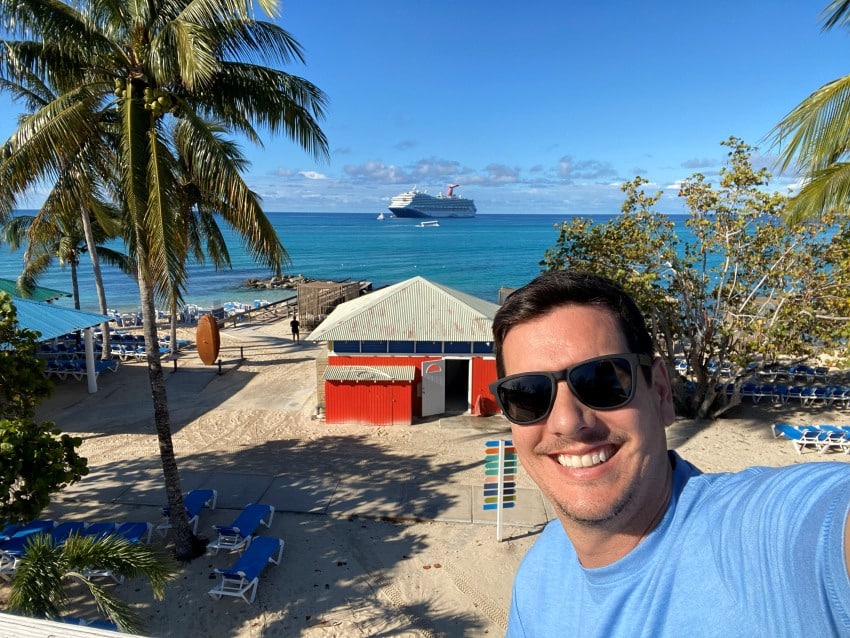
Where else do you spend your days on a self-contained ship with thousands of other people, sailing hundreds of miles from port to port with everything you need right onboard?
In short, there’s a bit of a learning curve that first-timers face when they cruise. And there are plenty of things that new cruisers get wrong. After more than 30 cruises, I can tell you what you need to know before you step foot on the ship.
Thinking a Cruise Is All-Inclusive
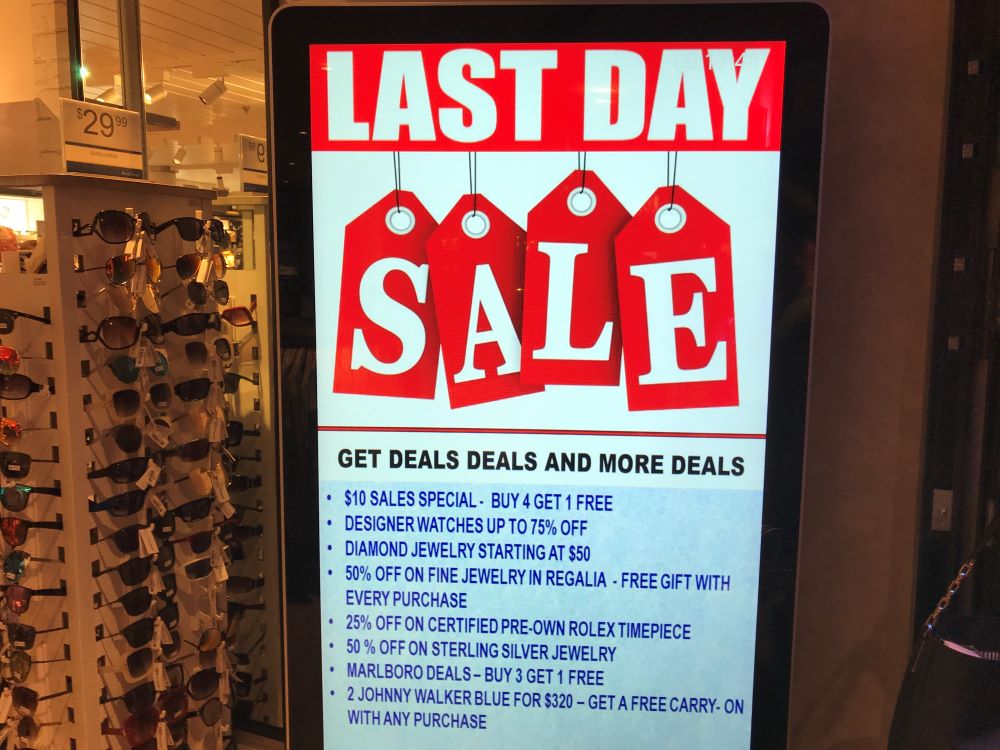
Perhaps the biggest mistake that you’ll make the first time you get on the ship is thinking that everything is included with your cruise. Now, you might get a feel for this when you are planning your cruise beforehand and there are all sorts of packages to buy. Still, it comes as a shock to many people.
The best way to think of your cruise is to compare it to a base model car. When you buy the fare, you’re getting the base experience included, but all the bells and whistles are extra. So you get the car, but it’s with fabric seats, hand-cranked windows, and no cruise control. Your cruise comes with your room, some restaurants, and entertainment included. Everything else will cost more.
Drinks, shore excursions, specialty restaurants, gambling, spa treatments… will all cost more. On average, cruise passengers spend about 40-50% of their cruise fare in onboard spending. So if you paid $1,000 for the cruise, expect to spend $400-$500 once on the ship.
Booking a Cruise Based Only on the Ports of Call
When you book your cruise, you’re no doubt looking at the itinerary to pick which trip you’ll sail. After all, you want to be excited about the different ports that you’ll get to explore.
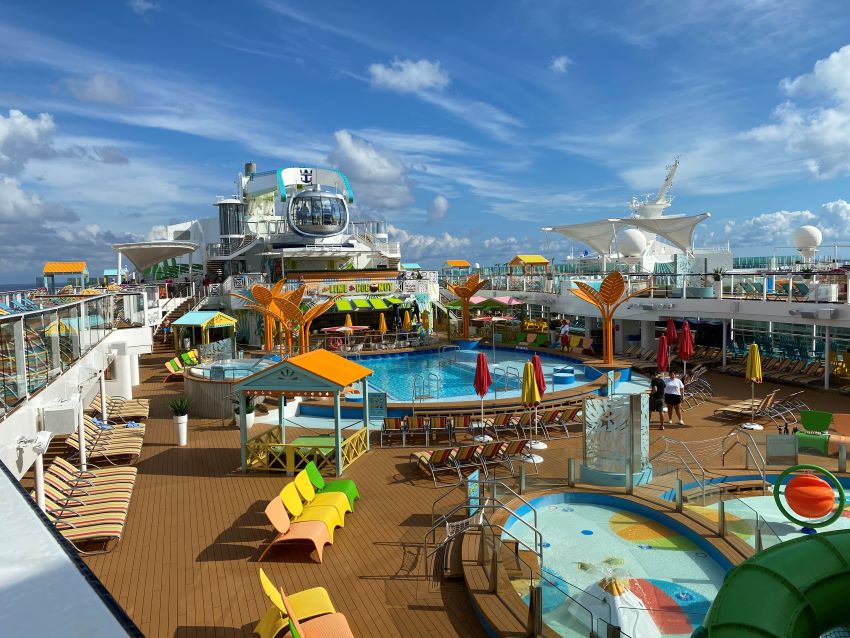
And while you definitely should consider the route your trip takes when booking a cruise, any veteran will tell you that these days the ship is the real destination you need to consider.
While you might think you spend a “day” in port, the ship normally lets passengers off at around 8 a.m. and then all aboard is around 5 p.m. So you’re actually only spending 8-9 hours of a 24-hour day docked. All the rest of the time, you’re on the ship.
Meanwhile, today’s ships are literal resorts at sea with tons of food, experiences, and entertainment. So yes, consider the ports, but consider the ship more.
Packing Way More Than They Need
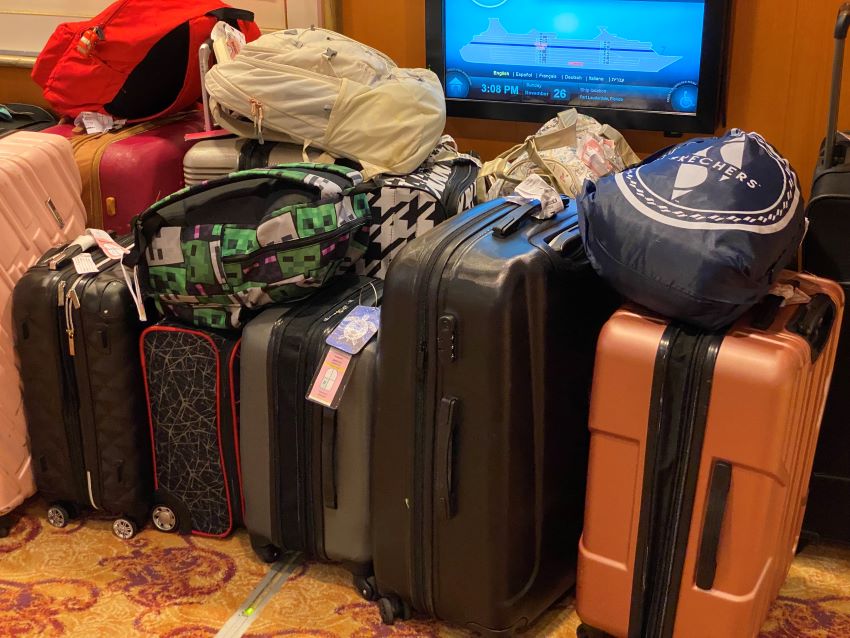
One good thing about cruising is that it doesn’t have the restrictive baggage rules like you see when you fly. One bad thing about cruising is that you don’t have the restrictive baggage rules.
When you can pack as much as you want without baggage fees, it’s easy as a new cruiser to shove in everything possible and then some. That’s not the best idea.
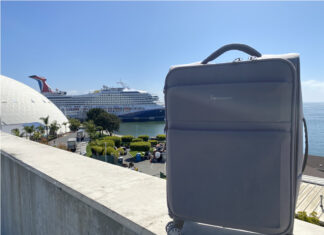
First, if you do fly to the port, you’ll still have to deal with airports and baggage restrictions. But even if you drive, you’re still responsible for unloading your bag, getting them to the porters to take on the ship, dealing with the suitcases in your closet, and then lugging the bags back home.
It’s much easier just to pack a reasonable amount and not have the headache of dealing with tons of luggage.
Calling the Ship a Boat
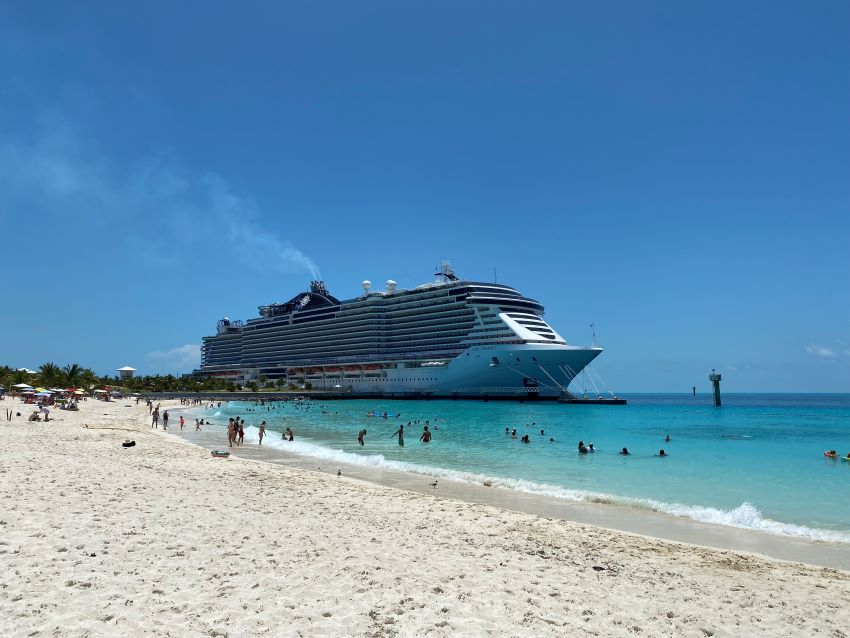
What’s the difference between a ship and a boat? It’s not clearly defined when a boat turns into a ship, but one thing is for sure. Any cruise ship you sail is most definitely a ship and NOT a boat.
Boats are generally thought of as small watercraft. Think of the sort of vessel you’d take on a lake. If you’re heading to the ocean for days on end, then you’re going to be on a ship. And if you’re on some of the largest vessels on the planet (which cruise ships are), then it’s most definitely a ship.
If you slip up and call it a boat, nothing bad is going to happen. But for the sake of those who know (especially the crew!), you’re most definitely sailing on a ship.
Thinking You’ll Get Seasick
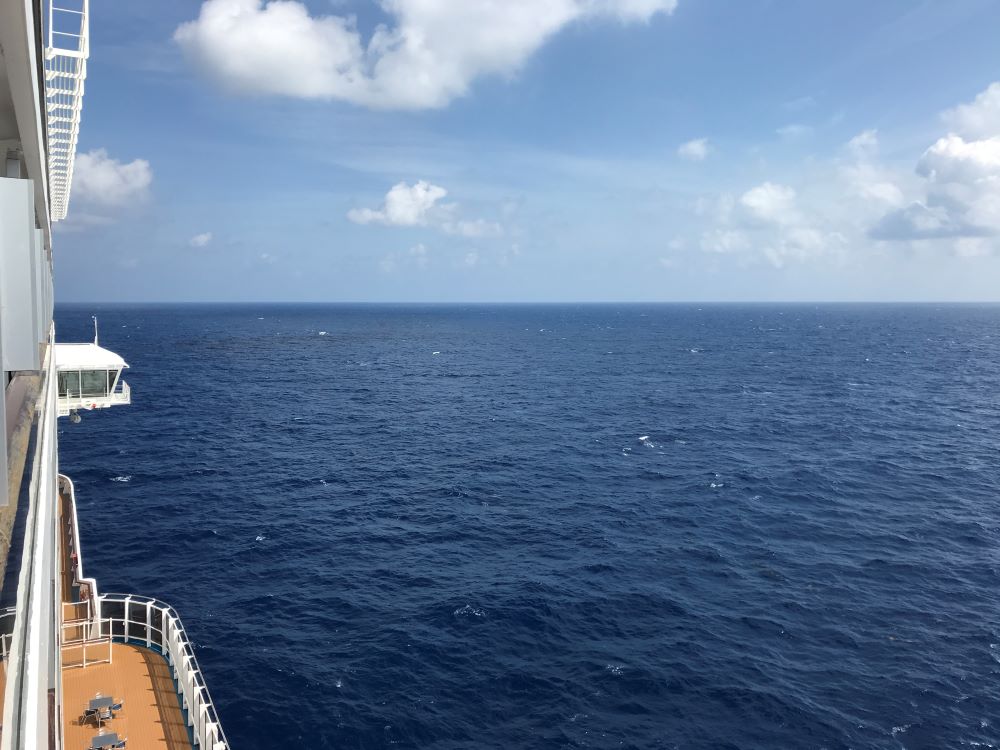
If you’ve never sailed a cruise then there may be a big concern about being seasick. Anyone that’s sailed before knows that this is usually an overblown fear.
Yes, it could be that your ship has to sail through rough seas. Much more common, however, is for passengers to not even notice they are at sea.
First, the cruise ships today are massive and have technology to help reduce the motion of the waves on the vessel. After all, the last thing a cruise wants is to have a bunch of passengers feeling queasy during their trip. Given the size and the way they are built, often you might feel a wave or two, but if you’re picturing a ship that rolls back and forth, that’s not the case.
As well, ships continually watch the weather to avoid storms when possible. So often even if there is weather in the area, the ship is well positioned to avoid its path.
Finally, if you’re still worried about being seasick, there are plenty of cheap remedies like Dramamine that you can bring with you.
Bringing Lots of Cash on Vacation
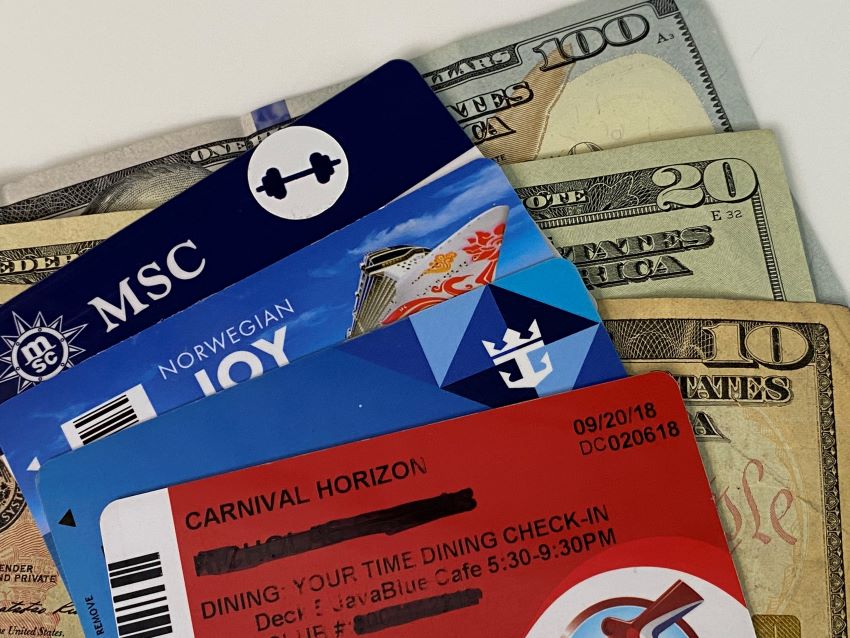
When you go on a vacation, most people make a run to the ATM to get plenty of cash. On a cruise ship, that’s not actually needed.
Sure, having some spending money is a good idea. On the ship, however, all your spending is done through your room keycard and your onboard account.
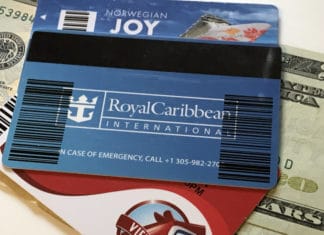
Your room keycard is similar to a credit card in that when you make a purchase on the ship, it’s scanned and logged to your account. At the end of the trip, your account is then settled with the card on file.
You will need cash for any spending off the ship, and many people prefer to have cash for gambling (though you can charge it to your room account). Other than that, your card handles everything else.
Not Playing the Crowds Correctly
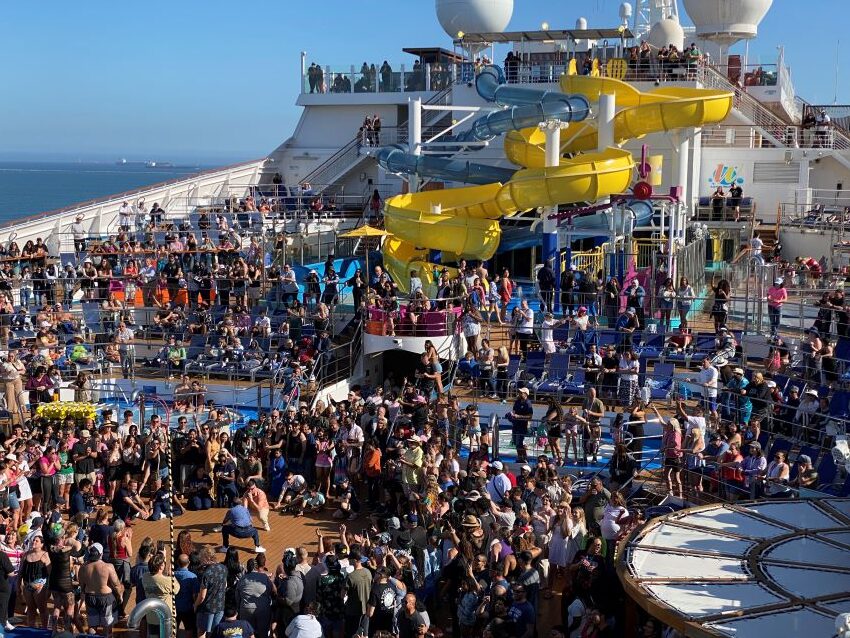
If you’ve never been on a cruise before, then you might wonder about being on a ship with literally thousands of other people. Yes, crowds are a definite thing on cruise ships. First timers might find themselves in the thick of it.
What you learn after a number of cruises is that there is a flow to people on the ship and by being a little strategic you can generally avoid the largest crowds. What it takes is being thoughtful about when and where you go around the ship.
For instance, is it noon on a gorgeous day at sea? Then the top deck near the pool is going to be slammed with people. If you want a quieter spot, there are less busy areas near the front and aft of the ship instead of being right next to the pool. Or if you just go down a little later, the crowds start to thin by mid afternoon.
It’s the same with dining. Instead of waiting in line for dinner at 7 p.m. (the peak eating time), you can try eating early or late and be seated nearly immediately.
It’s a slight inconvenience to have to shift your schedule, but it’s nice not to have to fight heavy crowds.